Are you at a crossroads in your kitchen upgrade journey, torn between halogen hobs’ allure and induction hobs’ efficiency? This comprehensive guide aims to unravel the intricacies of both, providing a detailed comparison of halogen hobs vs induction hobs to help you make an informed decision tailored to your culinary needs.
How do Halogen Hobs and Induction Hobs Work?
Halogen Hobs
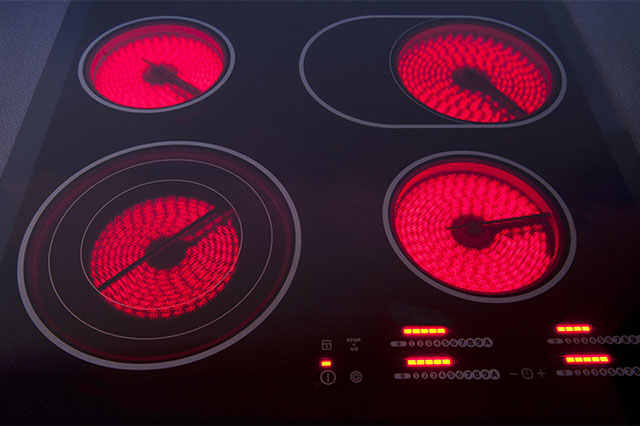
Halogen hobs operate on a simple yet effective principle. Fueled by electricity, they employ four glass tube light bulbs beneath a ceramic surface. These tubes house tungsten filaments and halogen gas (iodine or bromine). When activated, the tubes emit a visible red light, indicating the use of invisible infrared radiation for cooking. This radiant heat warms the pan’s surface, initiating the cooking process.
Induction Hobs
Induction hobs, on the other hand, take a more advanced route. They require electricity to activate an electromagnetic field through tightly bound discs of copper wiring beneath the ceramic surface. This field is unleashed only when a magnetized, ferrous metal pan is placed on the hob, completing the circuit. The heat generated is then transferred directly to the pan’s interior, bypassing the hob’s surface.
Heating Speed Comparison of Halogen vs Induction Hobs
Halogen hobs are renowned for their swift heating capabilities. The intense power of the halogen bulbs facilitates rapid temperature elevation, making them quicker than traditional electric or gas hobs.
Induction hobs, however, outshine halogen in the heating speed department. Their electromagnetic fields ensure almost instantaneous heating, setting them apart as the fastest option among cooking surfaces.
Lifespan Considerations: Induction Hobs vs Halogen Hobs
The lifespan of halogen hobs revolves around the longevity of their bulbs. On average, these bulbs last between 2,000 to 4,000 hours of use. Fortunately, they are replaceable, extending the hob’s overall lifespan in comparison.
Induction hobs boast a longer lifespan, providing up to 10,000 hours of use before showing signs of wear. This longevity contributes to the enduring appeal of induction hobs in the kitchen.
Pan Requirements for Both Hob Types
Halogen hobs offer flexibility in pan selection. There are no material restrictions, allowing various types of cookware. However, pans with flat and heavy bases are recommended for optimal performance.
Induction hobs are more discerning in their pan requirements. Only pans with magnetic steel or iron bases can effectively interact with the electromagnetic field. High-quality cast-iron cookware, with its excellent heat distribution and heavy base, is often the preferred choice for induction hobs.
Which of These Hobs Have a Better Energy Efficiency?
Halogen hobs typically transfer up to 80% of the infrared radiation they generate to the pan. While efficient, some energy is lost in the process, affecting overall energy efficiency.
Induction hobs are celebrated for their exceptional energy efficiency. They deliver precise heating, ensuring minimal energy wastage. The direct transfer of heat to the pan contributes to faster cooking times and reduced energy consumption.
Which Type of Hob is More Affordable?
Halogen hobs often come with a more affordable initial cost compared to induction hobs. The budget-friendly nature of halogen hobs makes them an attractive option for those seeking cost-effective kitchen upgrades.
Induction hobs might demand a higher upfront investment, primarily due to their advanced technology. However, their energy efficiency and long-term savings potential can offset the initial expense over the lifespan of the hob.
Safety Concerns Regarding Halogen and Induction Hobs
Halogen hobs pose safety considerations, primarily due to the powerful bulbs. Direct exposure to the intense light emitted by these bulbs can be harmful to the eyes. Caution is advised when operating and maintaining halogen hobs.
Induction hobs are generally considered safe; however, they come with their own set of safety considerations. The electromagnetic fields they generate may interfere with pacemakers, making it crucial for individuals with such medical devices to exercise caution.
Overall Performance Considerations
Halogen hobs excel in providing quick and intense heating. Their ability to reach high temperatures makes them suitable for specific cooking techniques that demand rapid temperature elevation. Halogen hobs however are harder to clean in comparison. Here is a guide on how to clean halogen hob (cooktops).
Induction hobs offer a holistic cooking experience. With fast and precise heating, they cater to a diverse range of cooking styles. The efficient transfer of heat and energy savings make induction hobs a top choice for modern kitchens.
User Preference and Considerations
When choosing between halogen hobs and induction hobs, individual preferences and kitchen requirements play a pivotal role. Consider the following factors:
- Cooking Style: Halogen hobs are ideal for quick, intense cooking, making them suitable for specific culinary needs. Induction hobs, with their precise control and energy efficiency, cater to a more diverse range of cooking styles.
- Budget: Halogen hobs are a cost-effective option for those on a tight budget. Induction hobs, while requiring a higher initial investment, offer long-term energy savings that can offset the upfront cost.
- Kitchen Requirements: Consider the space in your kitchen and the compatibility of each hob type with your existing cookware. Halogen hobs provide flexibility in pan selection, while induction hobs require pans with specific magnetic properties.
Summary Comparison of Induction Hob Vs Halogen Hob
| Feature | Halogen Hobs | Induction Hobs |
| How They Work | Powered by electricity, uses halogen bulbs for radiant heat. | Requires electricity to create an electromagnetic field, directly heating the pan. |
| Heating Speed | Swift heating due to intense power of halogen bulbs. | Almost instantaneous heating, fastest among cooking surfaces. |
| Lifespan | Bulbs last 2,000 to 4,000 hours; replaceable. | Lasts up to 10,000 hours; longer lifespan. |
| Pan Requirements | Flexible; can use various types of cookware. | Requires pans with magnetic steel or iron bases. |
| Energy Efficiency | Transfers up to 80% of infrared radiation to the pan. | Exceptional energy efficiency, minimal wastage. |
| Cost | Affordable initial cost. | Higher upfront investment with long-term savings. |
| Safety Concerns | Intense light exposure can be harmful to eyes. | Electromagnetic fields may interfere with pacemakers. |
| Overall Performance | Quick and intense heating, suitable for specific techniques. | Fast, precise heating, suitable for diverse cooking styles. |
| User Preference | Ideal for quick, intense cooking; budget-friendly. | Versatile cooking styles, energy-efficient; higher upfront cost. |
Conclusion
In the tug-of-war between Halogen Hobs vs. Induction Hobs, the ideal choice hinges on your specific needs and preferences. Whether you prioritize quick, intense cooking or energy efficiency and long-term savings, understanding the nuances of each hob type empowers you to make a well-informed decision for a kitchen upgrade tailored to your culinary adventures.
In conclusion, the choice between Halogen Hobs vs. Induction Hobs is a nuanced decision influenced by individual preferences and cooking requirements. Understanding the intricacies of each hob type empowers users to make a well-informed decision, ensuring their kitchen upgrade aligns with their culinary aspirations.
Read More:
Difference between ceramic vs halogen hobs